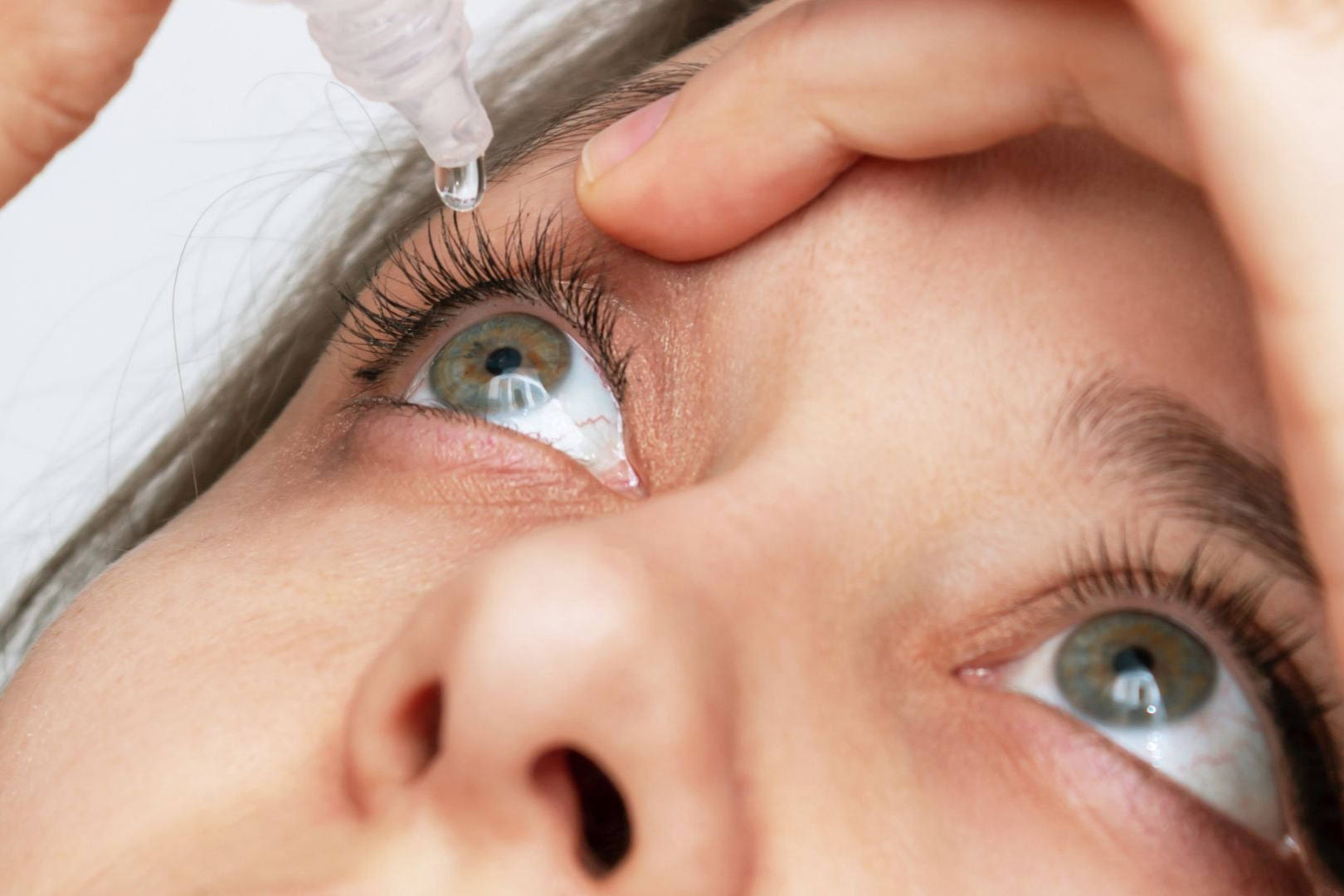
Dry, gritty, burning, watery, red or tired eyes can happen for many different reasons and effective treatment starts with understanding what is causing your symptoms.
At Illume Eye Care in Ponsonby, Auckland, our dedicated Dry Eye & Ocular Surface Clinic provides comprehensive assessment and personalised management for dry eye disease, meibomian gland dysfunction (MGD), blepharitis, Demodex eyelid disease, ocular rosacea, watery eyes and other causes of persistent eye irritation.
Dry eye is not simply a shortage of tears. It is a multifactorial condition involving the tear film and ocular surface, and may be associated with tear-film instability, inflammation, meibomian gland dysfunction, reduced tear production, eyelid disease, blinking, environmental factors or several contributors occurring together.
That is why our approach is to measure before we treat.
We combine your symptoms and history with detailed examination, advanced tear-film testing and meibomian gland imaging to understand what is happening on the surface of your eyes. From there, we develop a management plan tailored to your findings, lifestyle and treatment priorities.
You do not need a referral to book a dry eye assessment at Illume. We also welcome referrals and work collaboratively with optometrists, ophthalmologists, GPs and other health professionals.

Our comprehensive consultations utilise detailed imaging, gland analysis, and evidence-based therapies. Our goal is to identify the root cause of your symptoms and offer a treatment plan tailored to your eyes, lifestyle, and long-term comfort.
Treatment options may include
- Eyelid and ocular surface anti-inflammatory care, including prescription drops, skin mite treatments, or omega-3 supplementation
- Tailored home care routines, including heat masks, lubricant eye drops, lid wipes, blink training, and skincare and make up guidance to protect gland health
- In-practice lid hygiene treatments such as ZEST (Zocular Eyelid System Treatment) to gently cleanse the lids, remove biofilm, and reduce inflammation
- Thermal expression therapies like LipiFlow®, which combines heat and gentle pressure to unblock the meibomian glands
- Low-Level Light Therapy (LLLT) to reduce inflammation, stimulate cellular repair, and support meibomian gland recovery
- Intense Pulsed Light (IPL) therapy to reduce inflammation, improve oil flow, and target underlying skin conditions like rosacea
Could My Symptoms Be Dry Eye or Ocular Surface Disease?
Dry eye does not always feel “dry”. Common symptoms include:
- Dry, gritty or sandy eyes
- Burning, stinging or irritation
- Watery or constantly tearing eyes
- Red or inflamed eyes or eyelids
- Fluctuating or blurry vision
- Eyes that feel tired or heavy
- Sensitivity to wind, air conditioning or heating
- Discomfort during prolonged screen use
- Contact lenses becoming uncomfortable
- Recurrent styes or chalazia
- Crusting or irritation around the eyelashes
- A feeling that there is something in the eye
Symptoms can overlap between dry eye, MGD, blepharitis, allergy, ocular rosacea and other eye conditions. A detailed assessment helps us distinguish between them and determine which factors are most important for your eyes.
Might I Have Dry Eye?
Our OSDI symptom questionnaire can provide a useful snapshot of how your symptoms are affecting everyday life. It does not diagnose dry eye on its own, but your score can be interpreted alongside your clinical examination and tear-film measurements.
Take the OSDI Questionnaire Now
“But My Eyes Water All the Time—Can That Still Be Dry Eye?”
Yes, it absolutely can. In fact, excessive tearing is one of the more surprising symptoms of Dry Eye Disease. When your eyes aren’t staying properly moisturised, they can overcompensate by producing a flood of reflex tears. These are more like “emergency tears”—watery and lacking the essential components (like oils and mucins) that help keep the eye surface healthy and comfortable.
This imbalance can be triggered by a variety of factors, including age-related changes, eyelid problems, hormonal shifts, or environmental irritants like wind or air conditioning. So, even though your eyes may be watering, they could still be craving proper hydration and tear film stability.
At Illume Eye Care, we can help determine whether your watery eyes are caused by dry eye disease, poor eyelid positioning, or even a blockage in the tear drainage system (known as the puncta). A thorough assessment allows us to tailor treatment specifically to the cause—bringing comfort and clarity back to your eyes.
What Causes Dry Eye?
Dry eye usually has more than one contributing factor.
Meibomian Gland Dysfunction
The meibomian glands inside your eyelids produce the protective oil layer of your tears. If these glands become blocked or do not produce healthy oil, tears can evaporate too quickly. This is known as evaporative dry eye.
Reduced Tear Production
Some people do not produce enough of the watery component of their tears. This is known as aqueous-deficient dry eye and may occur with age, medications or certain systemic and autoimmune conditions.
Eyelid Inflammation & Blepharitis
Blepharitis, Demodex eyelid mites and inflammation around the eyelashes can disrupt the eyelid margin and tear film.
Ocular Rosacea
Rosacea can affect the eyelids and meibomian glands as well as the facial skin, contributing to inflammation, MGD and dry eye symptoms.
Screens & Incomplete Blinking
We tend to blink less frequently and sometimes less completely when using computers, phones and other digital devices. This increases tear evaporation and can aggravate dry eye and MGD.
Hormonal, Medical & Environmental Factors
Hormonal changes, medications, contact lens wear, eye surgery, air conditioning, wind, low-humidity environments, skincare and other factors may all contribute.
Often several of these factors occur together, which is why identifying the main contributors is an important part of dry eye management.
What to Expect at a Dry Eye & Ocular Surface Assessment
At your dry eye and ocular surface assessment, we take the time to understand the full picture of your eye comfort and tear film health. Using advanced diagnostic technology, we perform a series of non-invasive tests that help us evaluate the quality, quantity, and stability of your tears, as well as the health of the glands and surface of your eyes.
Here’s what’s typically included in your assessment:
- A discussion of your symptoms, lifestyle factors and what you've tried before.
- Non-Invasive Tear Breakup Time (NIBUT): Measures how long your tear film remains stable after a blink—essential for detecting early tear instability.
- Tear Meniscus Height: Assesses the volume of your tears at the edge of your lower eyelid, giving us insight into tear production.
- Redness (Hyperemia) Scoring: Evaluates the degree of ocular redness, which can be a sign of inflammation or dryness.
- Meibography: Uses infrared imaging to assess the structure and function of your meibomian glands, which are crucial for maintaining a healthy tear film.
- Fluorescein Imaging: Highlights any dry patches or damage on the eye’s surface for a clearer picture of ocular surface health.
- Anterior Segment Photography: Captures detailed images of the front of the eye to document findings and monitor changes over time.
In some cases, we may also perform additional tests such as:
- Schirmer’s Test: Measures tear production using a small strip of paper placed at the edge of your eyelid.
- Tear Osmolarity Testing: Evaluates the salt concentration of your tears, which helps us identify tear film imbalance and inflammation.
All of this data is compiled into a comprehensive report that helps us tailor a treatment plan specifically for your eyes. Our goal is not just to relieve symptoms—but to address the root cause of your dry eye disease.
What Happens After My Dry Eye Assessment?
We explain your results and show you relevant images and measurements so you can understand what is contributing to your symptoms. Your personalised management plan may include:
- Selecting the right lubricant rather than trialling drops at random
- Warm compresses and eyelid care
- Blink and screen-use strategies
- Lifestyle and nutritional advice
- Treatment for blepharitis, Demodex or ocular allergy
- Prescription anti-inflammatory or antimicrobial medication when appropriate
- Contact lens modifications
- Punctal plugs in selected patients
- Professional eyelid cleansing or meibomian gland expression
- IPL, LLLT, LipiFlow® or Tixel-i® when clinically appropriate
Not everyone needs advanced treatment. Our aim is to identify what is likely to help your eyes and avoid treatments or products that are unlikely to address your particular condition.