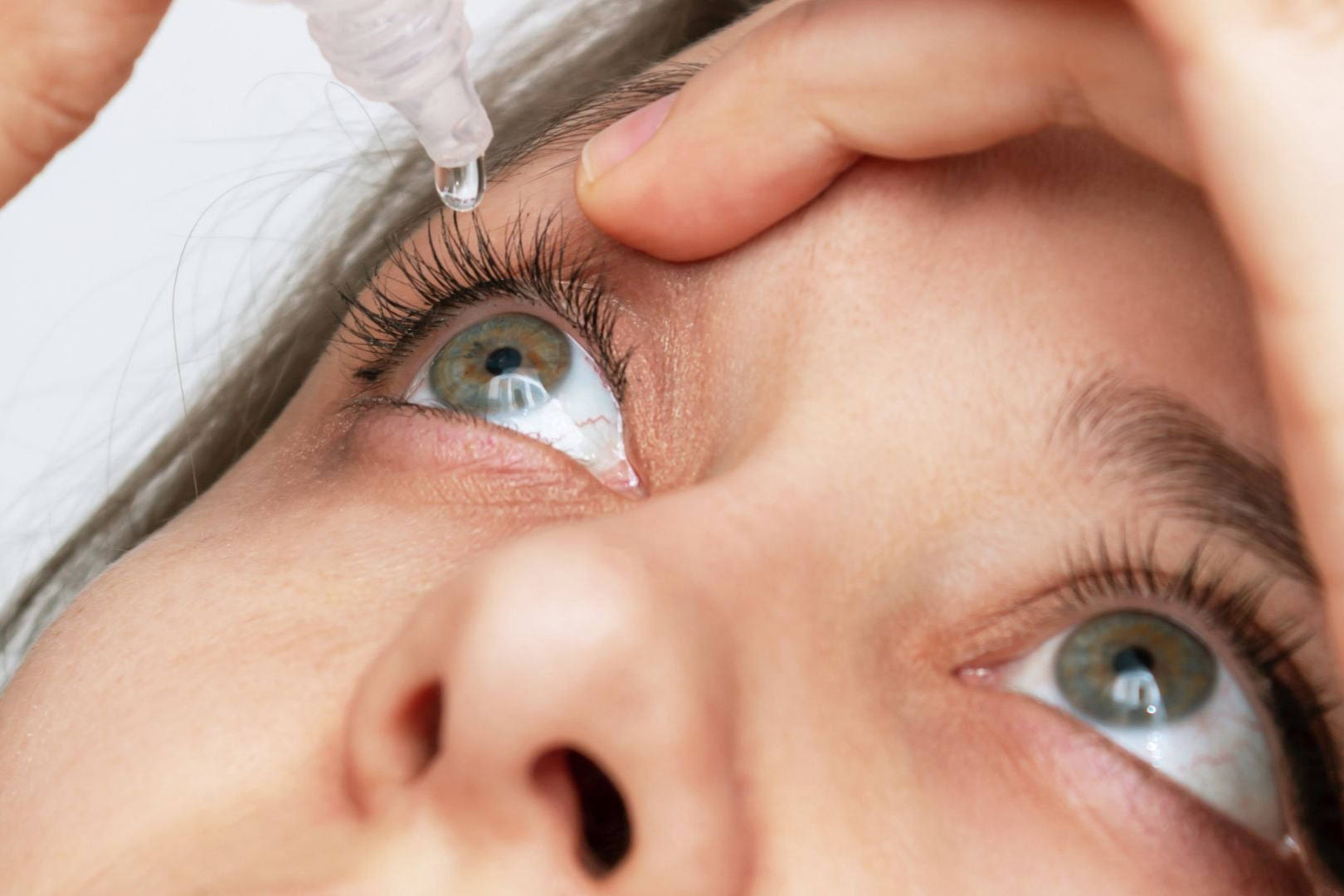
A chalazion is a benign, small lump or swelling that develops on the eyelid due to a blocked oil gland (meibomian gland). It may start as a red, tender area (stye) before forming a painless lump over time. Unlike a stye, a chalazion is not caused by an infection but by inflammation and gland blockage. They are more common if you have blepharitis or Rosacea.
Symptoms of a Chalazion
- A small lump on the eyelid (upper or lower)
- Mild tenderness or swelling
- Possible redness of the eyelid
- Blurry vision if the chalazion is large enough to press on the eye
- Typically, it is not painful once formed
Management and Treatment Options
Most chalazia resolve on their own within a few weeks, but treatment can help speed up healing and prevent recurrence. It’s also a good idea to consider getting your meibomian glands assessed as meibomian gland dysfunction may cause frequent styes and chalazia, as well dry and sensitive eyes.
Lid Hygiene
Good eyelid hygiene can help clear a chalazion and prevent new ones from forming:
- Warm Compresses - use a heated eye mask (e.g. OptiSoothe or BioRevivie) for 10-15 minutes 2-4 times daily to soften oil blockages.
- Gently massage the eyelid with clean fingers or a cotton tip after applying heat to help express trapped oil.
- Cleanse the eyelid margin using a lid and lash cleanser to reduce debris and inflammation.
- Most chalazia will resolve in one month with these measures
Oral Antibiotics
For persistent or recurrent chalazia, a short course of the oral antibiotic azithromycin or a longer one of doxycycline may be prescribed by our optometrists. This antibiotic has anti-inflammatory properties and helps improve Meibomian gland function, reducing the likelihood of blockages.
IPL Chalazion Treatment
Intense Pulsed Light (IPL) therapy is a non-invasive option that targets Meibomian gland dysfunction, a key contributor to chalazia formation. The light pulses help:
- Improve gland function
- Reduce inflammation
- Prevent recurrence of chalazia and other dry eye-related conditions
A series of IPL treatments may be recommended for optimal results, particularly for individuals with chronic Meibomian gland dysfunction. One study found that a treatment protocol aimed at improving MGD and directly the chalazia, improved chalazia in over 96% of patients with three to four sessions and with no adverse effects.
Low-Level Light Therapy
Low-Level Light Therapy (LLLT) is a painless, non-invasive treatment that uses specially designed medical-grade light to improve the function of the meibomian glands in your eyelids. These glands produce the oily layer of your tears, which prevents tear evaporation and keeps your eyes comfortable. It also plays a role in treating Blepharitis and relieving styes and chalazia. In dry eyedisease — particularly meibomian gland dysfunction (MGD) — these glands can become blocked or inflamed, leading to dryness, grittiness, and irritation. LLLT helps stimulate natural gland function, reduce inflammation, and support healthy tear production.
For chalazia management, a course of 2-4 LLLT treatments, 4-7 days apart, with massage of your blocked gland is recommended.
Steroid Injection or Surgical Excision
If the chalazia is persistent and bothersome, or you just prefer it, we can arrange a referral to an ophthalmologist for a steroid injection or surgical excision of the chalazia.
When to see us
If a chalazion:
- Does not improve after several weeks
- Becomes painful, swollen, or infected
- Affects your vision
- Recurs frequently
Preventing Future Chalazia
- Maintain good eyelid hygiene daily.
- Use a heated eye mask regularly if prone to blockages.
- Avoid touching or rubbing your eyes.
- Remove eye makeup thoroughly before bed.
- Follow your optometrist’s recommendations for dry eye management.
For more individualised advice book an appointment with one of our optometrists.