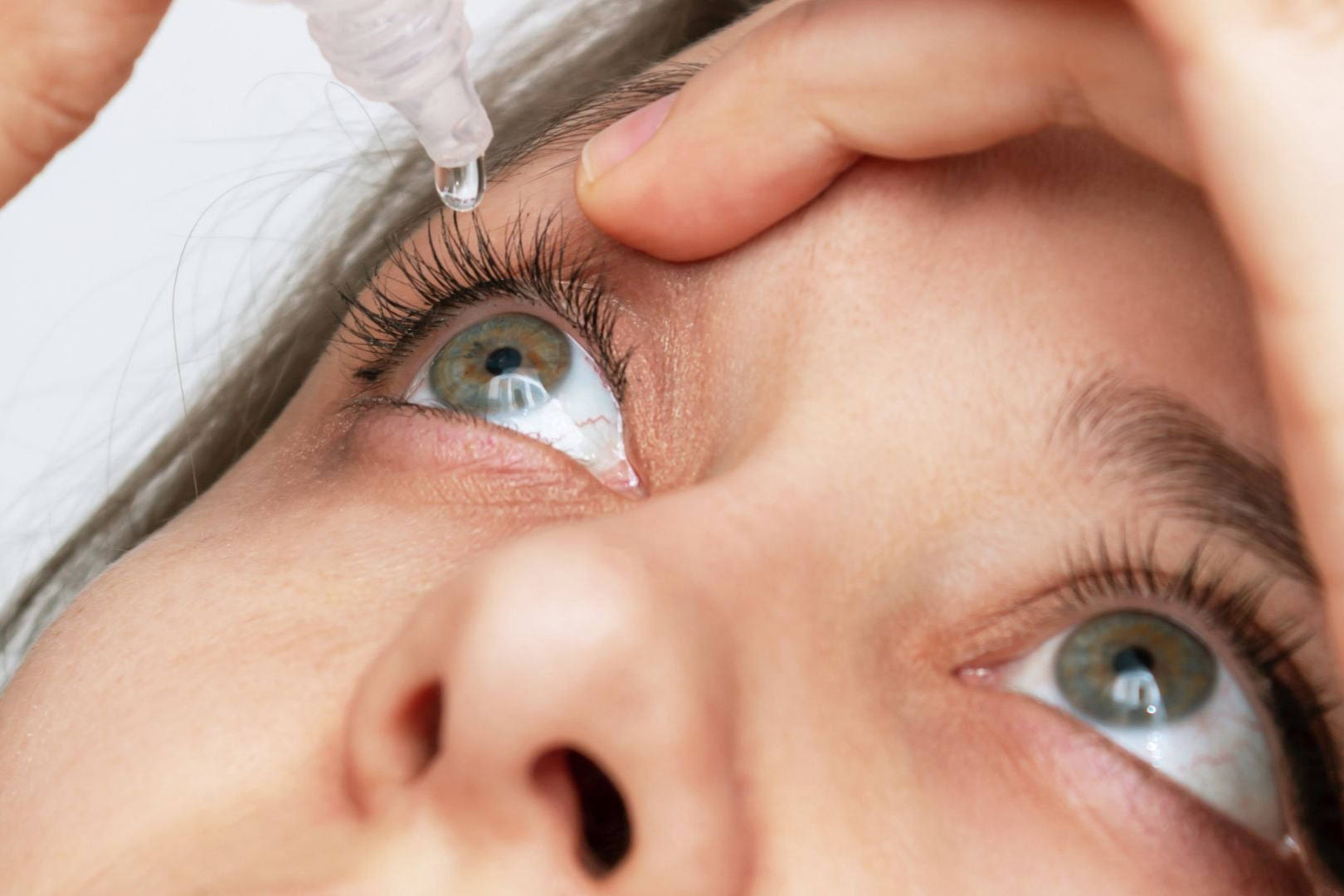
At Illume Eye Care in Ponsonby, Auckland, we understand that dry eye disease can affect your comfort, vision, and confidence every day. That’s why our approach goes beyond symptom relief to identify and treat the underlying cause of dryness.
Dry eye treatment works best when it is matched to what is actually causing your dry eyes.
If lubricating eye drops, warm compresses or eyelid care are not giving you enough relief, the answer is not always simply another eye drop. Meibomian gland dysfunction (MGD), blepharitis, Demodex eyelid mites, ocular rosacea, inflammation, reduced tear production and other ocular surface conditions can all contribute to dry, gritty, watery, burning, tired or irritated eyes.
At Illume Eye Care in Ponsonby, Auckland, we measure before we treat. We assess your tear film, eyelid margins and meibomian glands and use these findings to build a personalised treatment plan.
Then alongside targeted home care, lifestyle advice, lubricants and prescription treatments where appropriate, we offer a comprehensive range of in-clinic dry eye and eyelid therapies including Intense Pulsed Light (IPL), LipiFlow® Thermal Pulsation, Low-Level Light Therapy (LLLT), Tixel-i®, professional eyelid cleansing and meibomian gland expression.
Because dry eye disease is multifactorial and there is no single best treatment for everyone we create a personalised dry eye treatment plan, often combining several therapies to achieve the best possible outcome. Some people need one targeted intervention; others benefit from a combination of therapies over time.
Which Dry Eye Treatment Is Right for Me?
The best dry eye treatment depends on the underlying cause.
Blocked or poorly functioning meibomian glands (MGD) may respond to treatments such as LipiFlow®, Blephasteam®, therapeutic meibomian gland expression, IPL, LLLT or Tixel-i®, depending on the degree of obstruction, inflammation and gland health.
Ocular rosacea and inflammatory MGD may benefit from IPL, sometimes combined with gland expression, LLLT, prescription treatment and personalised home care.
Blepharitis, Demodex or significant eyelid debris may require professional eyelid cleansing, blepharoexfoliation or targeted Demodex management alongside ongoing eyelid hygiene.
More complex or persistent dry eye may involve several contributing factors. Treatment may therefore include lubricating or prescription eye drops, punctal plugs, lifestyle changes, contact lens modification and in-clinic therapies.
This is why we generally recommend a Dry Eye & Ocular Surface Assessment before advanced treatment. It allows us to identify the important contributors to your symptoms rather than using the same treatment approach for every patient.
Advanced Treatments for Dry Eye, Blepharitis and Meibomian Gland Dysfunction
Intense Pulsed Light (IPL) Therapy for Dry Eye & MGD
May help with: Meibomian gland dysfunction, evaporative dry eye, ocular rosacea and inflammatory eyelid disease. IPL may also form part of a broader treatment plan for some patients with recurrent chalazia or Demodex-associated blepharitis.
Intense Pulsed Light (IPL) uses carefully controlled pulses of light applied to the skin around the eyes. It is particularly useful when inflammation, ocular rosacea and abnormal blood vessels around the eyelid margin are contributing to meibomian gland dysfunction.
IPL can help reduce inflammatory activity around the eyelids and improve meibomian gland function. Treatment is often combined with therapeutic gland expression to help improve the flow and quality of meibomian gland oils.
IPL may be particularly useful if you have:
- Ocular rosacea or facial rosacea
- Red or inflamed eyelid margins
- Meibomian gland dysfunction
- Evaporative dry eye
- Persistent symptoms despite appropriate home care
IPL is usually performed as a course of treatments, with the number and frequency tailored to your clinical findings and response.
Learn more about IPL Dry Eye and MGD Treatment

LipiFlow® Thermal Pulsation for Meibomian Gland Dysfunction
May help with: Obstructive meibomian gland dysfunction and evaporative dry eye.
When the meibomian glands become blocked, the oils they produce can become thickened or difficult to express. Without enough healthy oil in the tear film, tears evaporate more quickly and the eyes may feel dry, gritty, burning or tired.
LipiFlow® Thermal Pulsation is a 12-minute in-clinic treatment specifically designed for obstructive MGD. It applies controlled heat to the inner eyelid while using gentle, pulsating pressure externally to help clear gland obstruction and improve natural oil flow.
Treatment may help improve meibomian gland function, tear film stability and dry eye symptoms. For some patients, improvements can persist for several months, although response and duration vary from person to person.
LipiFlow may be particularly suitable when meibography and gland assessment show that blocked or poorly functioning meibomian glands are an important contributor to your dry eye.
Most patients find the procedure comfortable, and there is typically no downtime afterwards.
Learn more about LipiFlow Dry Eye Treatment here

Low-Level Light Therapy (LLLT) for Dry Eye & Eyelid Inflammation
May help with: Meibomian gland dysfunction, blepharitis, inflammatory eyelid conditions, chalazia and some Demodex-associated eyelid disease.
Low-Level Light Therapy (LLLT), also known as photobiomodulation, uses specific wavelengths of light to influence cellular activity and inflammatory pathways.
It is a comfortable, non-invasive treatment that can be used as part of the management of MGD, dry eye and eyelid inflammation.
At Illume, we have access to a range of wavelengths including red, blue, yellow and near-infrared light. The light or combination of wavelengths used can be selected according to your clinical findings and treatment goals rather than using the same protocol for every patient.
LLLT may be used as a stand-alone therapy or combined with treatments such as IPL, LipiFlow, gland expression or professional eyelid cleansing.
It can also be useful as part of an ongoing maintenance programme for selected patients with chronic MGD or inflammatory eyelid disease
Learn more about LLLT for Dry Eye and MGD
Tixel-i Therapy for Meibomian Gland Dysfunction
May help with: Meibomian gland dysfunction, evaporative dry eye and selected periocular skin concerns.
Tixel-i® is a thermo-mechanical treatment that applies carefully controlled thermal energy to the skin around the eyelids.
Research into thermo-mechanical treatment for MGD has shown improvements in measures of meibomian gland function, tear film stability and dry eye symptoms in appropriately selected patients.
Unlike IPL, Tixel-i does not use light. This makes it a different treatment option for patients where thermal treatment is considered appropriate.
At Illume, Tixel-i may be considered for patients with persistent evaporative dry eye or MGD, particularly when symptoms have not been adequately controlled with home therapy alone.
Treatment protocols are personalised according to your ocular surface assessment, eyelid health and treatment goals.
Tixel-i also has potential periocular skin benefits, including improvement in skin texture and tightening, although our dry eye protocols are selected primarily around the health of the eyelids and ocular surface.
Learn more about Tixel-i Dry Eye Treatment here
ZEST® Eyelid Treatment for Blepharitis & Demodex
May help with: Anterior blepharitis, Demodex-associated eyelid disease, chronic lid debris and inflamed eyelid margins.
Healthy eyelids are an important part of a healthy tear film.
ZEST® (Zocular Eyelid System Treatment) is an in-clinic eyelid cleansing treatment using an okra-based formulation to clean and exfoliate the eyelid margins and lash bases.
The treatment helps remove debris, crusting, excess oils and biofilm that can accumulate around the lashes and contribute to blepharitis and ocular surface irritation.
ZEST may be particularly useful for patients with persistent eyelid inflammation or significant lash debris and can be combined with other treatments such as NuLids®, gland expression or IPL when clinically appropriate.
Therapeutic Meibomian Gland Expression
May help with: Meibomian gland dysfunction, thickened meibum and chronic eyelid congestion.
The meibomian glands produce the oil layer of your tears. When their secretions become thickened or the glands become obstructed, the tear film can evaporate too quickly.
Therapeutic meibomian gland expression applies controlled pressure to the glands to help release stagnant secretions and assess the quality and flow of the meibum.
Expression is often performed after a warming treatment and can also be combined with IPL, LLLT, Blephasteam® or other MGD therapies.
It also provides valuable information about how well your glands are functioning and how they are responding to treatment.
Lid Margin Blepharoexfoliation
May help with: Chronic blepharitis, capped meibomian gland openings, eyelid margin inflammation and bacterial biofilm.
Blepharoexfoliation is a professional eyelid treatment designed to remove crusting, keratinised debris, biofilm and hardened material from around the eyelid margins and meibomian gland openings.
Removing this build-up can improve eyelid hygiene, reduce sources of irritation and allow other treatments to work more effectively.
For patients with chronic blepharitis or significant lid-margin disease, professional cleansing may form part of an ongoing management programme alongside personalised home eyelid care.
NuLids® Eyelid Hygiene Treatment for Blepharitis & MGD
May help with: Blepharitis, lid-margin debris, capped meibomian glands and ongoing eyelid hygiene.
NuLids® uses a soft oscillating tip to gently clean and stimulate the eyelid margins.
At Illume, we may incorporate NuLids into professional eyelid cleansing treatments to help remove debris and biofilm around the lash line and meibomian gland openings.
A NuLids® home eyelid hygiene device is also available for selected patients who would benefit from regular eyelid cleaning between appointments.
Using an appropriate ongoing eyelid hygiene routine can help support the results of in-clinic treatment and maintain healthier eyelid margins over time.
Blephasteam® Moist Heat Therapy for Dry Eye & MGD
May help with: Meibomian gland dysfunction, thickened meibum, eyelid congestion and evaporative dry eye.
Blephasteam® provides controlled moist heat to the eyelids to warm meibomian gland secretions.
Following the warming phase, your optometrist can perform therapeutic meibomian gland expression to help mobilise stagnant oils and assess how well the glands are functioning.
This combination can be useful for mild-to-moderate MGD, as a maintenance treatment, or as part of a wider dry eye treatment plan.
If symptoms persist despite appropriate heat, eyelid hygiene and home care, we may discuss treatments such as IPL, LLLT, LipiFlow® or Tixel-i®, depending on your examination findings.
Ready to Get Relief?
The treatment you need depends on why your eyes are dry.
For example, someone with obstructive MGD may have very different treatment needs from someone whose symptoms are primarily driven by ocular rosacea, aqueous tear deficiency, Demodex blepharitis, allergy, contact lens wear or ocular surface inflammation.
For this reason, we generally recommend starting with a comprehensive Dry Eye & Ocular Surface Assessment rather than booking a particular procedure without first understanding the cause.
Our assessment can include detailed examination of the ocular surface and eyelids, tear film assessment, meibomian gland imaging (meibography), non-invasive tear break-up time and tear osmolarity, depending on your individual needs.
The goal is not to sell you every treatment. It is to work out which treatments are most likely to help your eyes — and which ones you probably don't need.
Located in Ponsonby, Auckland – Illume Eye Care is proud to offer some of the most advanced dry eye treatments in New Zealand.