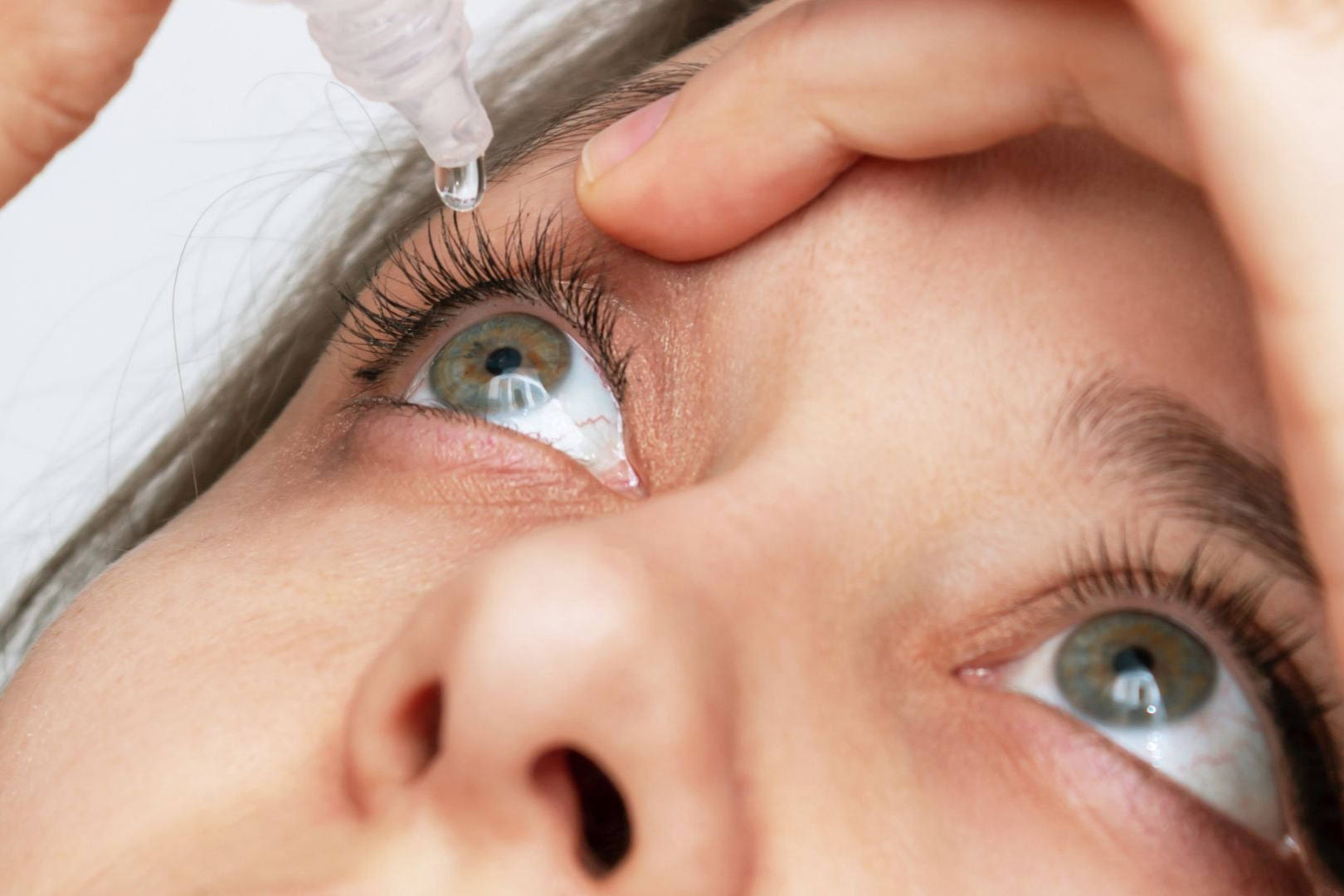
If your eyes often feel itchy, gritty, irritated or watery, or you notice red eyelids, crusty eyelashes or recurring styes, blepharitis may be contributing.
Blepharitis is inflammation of the edges of the eyelids, particularly around the eyelashes. It is very common and frequently occurs alongside Dry Eye Disease and Meibomian Gland Dysfunction (MGD).
It is not contagious and does not usually cause serious damage to the eyes, but it can be persistent and uncomfortable. Because there are several different causes, identifying what type of blepharitis you have helps us choose the most appropriate treatment.
What causes blepharitis?
Blepharitis is usually multifactorial. Common contributors include:
- bacterial overgrowth around the eyelids
- seborrhoeic dermatitis and dandruff
- microscopic Demodex mites
- rosacea and other inflammatory skin conditions
- accumulation of oils, dead skin cells, makeup and debris around the lashes
- associated Meibomian Gland Dysfunction
More than one factor can be present at the same time.
What are the symptoms of blepharitis?
Common symptoms and signs include:
- red or inflamed eyelid margins
- crusts or flakes around the eyelashes
- itchy eyelids
- burning, gritty or sore eyes
- watery eyes
- lashes that stick together on waking
- recurrent styes or chalazia
- changes to the direction or quality of the eyelashes
- dry, tired-feeling eyes
- intermittent blurred vision that improves with blinking

The three common types of anterior blepharitis
Staphylococcal Blepharitis
Staphylococcus bacteria normally live on our skin. In some people, bacterial overgrowth and the inflammatory response around the eyelashes contribute to blepharitis.
Typical signs include:
- harder crusts or scabs around the lash roots
- red, inflamed eyelid margins
- irritation or soreness
- recurrent styes in some people
Treatment commonly includes regular eyelid cleansing, good cosmetic hygiene and, when appropriate, an antimicrobial eyelid cleanser such as a hypochlorous acid-based product.
More significant inflammation may occasionally require prescription antibiotic or anti-inflammatory treatment.
Seborrhoeic Blepharitis
Seborrhoeic blepharitis is associated with seborrhoeic dermatitis, the inflammatory skin condition that can also cause dandruff and flaky or oily skin around the scalp, eyebrows and face.
Typical signs include:
- soft or greasy flakes around the eyelashes
- oily eyelid margins
- mild redness or irritation
- dandruff or seborrhoeic dermatitis elsewhere
Management usually focuses on gentle, regular eyelid cleansing and treatment of any associated scalp or facial skin condition.
Demodex Blepharitis
Demodex are microscopic mites that naturally live within human hair follicles. Small numbers may cause no problems, but an increased mite burden can lead to inflammation around the eyelashes and eyelids.
The hallmark sign of Demodex blepharitis is a collarette — a cylindrical cuff of waxy debris wrapped around the base of an eyelash.
Other clues include:
- itching around the eyelashes, often worse in the morning
- redness or irritation
- crusting around the lashes
- brittle, misdirected or missing eyelashes
- recurrent styes or chalazia
- associated dry eye or MGD
Demodex becomes more common with increasing age and can also occur alongside rosacea.

What is the connection between blepharitis, MGD and dry eye?
Blepharitis and Meibomian Gland Dysfunction frequently occur together, but they are not quite the same condition.
The meibomian glands sit inside the eyelids and produce the oily layer of your tears. When these glands become obstructed or their oil changes in quality, tears evaporate more quickly. This can cause dry, gritty, burning or watery eyes.
If MGD is also present, your treatment may therefore include both eyelid hygiene and treatment directed specifically at the meibomian glands.
How is blepharitis treated?
The best treatment depends on what is causing the inflammation.
Eyelid hygiene
Regular eyelid hygiene helps remove excess oils, bacteria, skin cells, makeup and debris from around the eyelashes.
During an active flare, we may recommend cleaning your eyelids once or twice each day. Once things have settled, a simpler maintenance routine may be enough.
Choosing an eyelid cleanser
Different ingredients can be useful for different types of blepharitis.
Tea tree oil and terpinen-4-ol
These ingredients are commonly used in eyelid products designed for patients with Demodex. Products specifically formulated for the eyelids should be used — concentrated or neat tea tree oil can cause significant irritation.
Okra-based cleansing
Zocular® products use an activated okra-based cleansing system to help loosen and remove oils and debris from around the eyelid and lash line. Zocular is also used during our in-practice ZEST eyelid cleansing treatment.
Hypochlorous acid
Hypochlorous acid is an antimicrobial ingredient that can help reduce the bacterial load around the eyelids. It can be particularly useful when bacterial overgrowth is contributing to anterior blepharitis.
Your optometrist can recommend the most appropriate cleanser for your eyelids rather than simply using the same product for every type of blepharitis.
How do I clean my eyelids?
- Wash your hands.
- Close your eye.
- Apply the recommended eyelid wipe, foam or cleanser.
- Gently clean along the base of the eyelashes, where the lashes emerge from the eyelid.
- Clean both the upper and lower lash lines.
- Remove visible crusts, flakes and debris without aggressive scrubbing.
- Use a clean wipe or clean section for each eye.
- Follow the individual product instructions regarding rinsing.
If significant MGD or blocked glands are also present, we may recommend a warm compress before cleansing.
Professional Eyelid Cleansing at Illume
Sometimes home cleansing isn't enough to remove established crusting, collarettes and debris.
ZEST — Zocular Eyelid System Treatment
ZEST is an in-practice eyelid cleansing treatment using an okra-based Zocular cleansing gel.
It allows us to thoroughly clean the lash line and eyelid margins and remove:
- accumulated oils and debris
- crusting and collarettes
- material around the meibomian gland openings
- makeup residue and biofilm
It can provide a useful clean starting point before establishing an effective home routine.

NuLids
NuLids uses a soft oscillating tip to mechanically clean and exfoliate the eyelid margin.
It may be useful for persistent eyelid debris, recurrent blepharitis and some patients with associated MGD or recurrent styes.

What if I also have MGD or Dry Eye Disease?
If blepharitis occurs alongside significant Meibomian Gland Dysfunction, ocular rosacea or Dry Eye Disease, simply cleaning the eyelashes may not address everything contributing to your symptoms. Depending on your examination findings, treatment may also include:
- meibomian gland expression
- IPL — Intense Pulsed Light
- LipiFlow®
- Tixel-i®
- Low-Level Light Therapy
- lubricating eye drops
- prescription anti-inflammatory or antimicrobial treatment
These treatments are selected to address associated gland dysfunction and ocular surface inflammation, rather than being necessary for every person with blepharitis.
Blepharitis treatment at Illume Eye Care, Auckland
At Illume, we don't treat every case of blepharitis in the same way.
Your assessment may include:
- detailed examination of your eyelashes and eyelid margins
- identification of crusting, collarettes and signs of Demodex
- assessment of your meibomian glands
- evaluation for associated dry eye and ocular rosacea
- a personalised eyelid-hygiene routine
- professional eyelid cleansing where appropriate
- MGD and dry-eye treatment when indicated
- prescription treatment when required
The aim is to identify what is driving the inflammation and build a practical treatment plan around it.
Frequently Asked Questions
Is blepharitis contagious?
No. Blepharitis is an inflammatory eyelid condition and is not generally considered contagious.
Can blepharitis cause dry eyes?
Yes. Blepharitis frequently occurs alongside Meibomian Gland Dysfunction and can contribute to tear-film instability, irritation, burning and watery eyes.
What are collarettes?
Collarettes are small cylindrical cuffs of debris that wrap around the base of the eyelashes. They are the characteristic clinical sign of Demodex blepharitis.
Does everyone with blepharitis need a warm compress?
No. Warm compresses are particularly useful when MGD, thickened meibomian oils or recurrent styes are present. For predominantly anterior blepharitis, effective lash-line cleansing may be more important.
What is the best eyelid cleanser for blepharitis?
It depends on the cause. Tea tree oil or terpinen-4-ol products may be selected when Demodex is present; hypochlorous acid can be useful when bacterial overgrowth is contributing; and gentle okra-based cleansers can help remove accumulated oils and debris.
Can blepharitis be cured?
Blepharitis is often a recurring condition. Treatment can significantly reduce inflammation, debris and symptoms, but many people benefit from ongoing maintenance eyelid hygiene.
When should I have my eyelids assessed?
Consider an assessment if you have persistent itchy or inflamed eyelids, crusting around your eyelashes, recurrent styes, lash changes or dry, gritty or watery eyes that are not settling with simple home care.
Our Approach at Illume
At Illume Eye Care in Ponsonby, Auckland, our Dry Eye & Ocular Surface Assessment allows us to determine whether blepharitis, Demodex, MGD or another ocular surface condition is contributing to your symptoms and recommend treatment accordingly. This includes:
- Detailed diagnosis using slit-lamp examination, imaging, and mite identification
- Personalised home care routines to maintain lid health long-term
- In-practice lid cleaning (ZEST) to remove debris, mites, and biofilm
- Thermal therapies (LipiFlow®, Tixel-i®, IPL) if MGD is also present
- Prescription treatments for inflammation, infection, or skin-related flare-ups
- Education and prevention—because blepharitis is chronic, but manageable with the right plan
If you're struggling with itchy, inflamed eyelids, frequent styes, or lash changes - Blepharitis could be the missing piece of your eye health puzzle. Book an Assessment with the Illume team and let’s create a personalised treatment plan that brings your lids (and lashes) back to life.