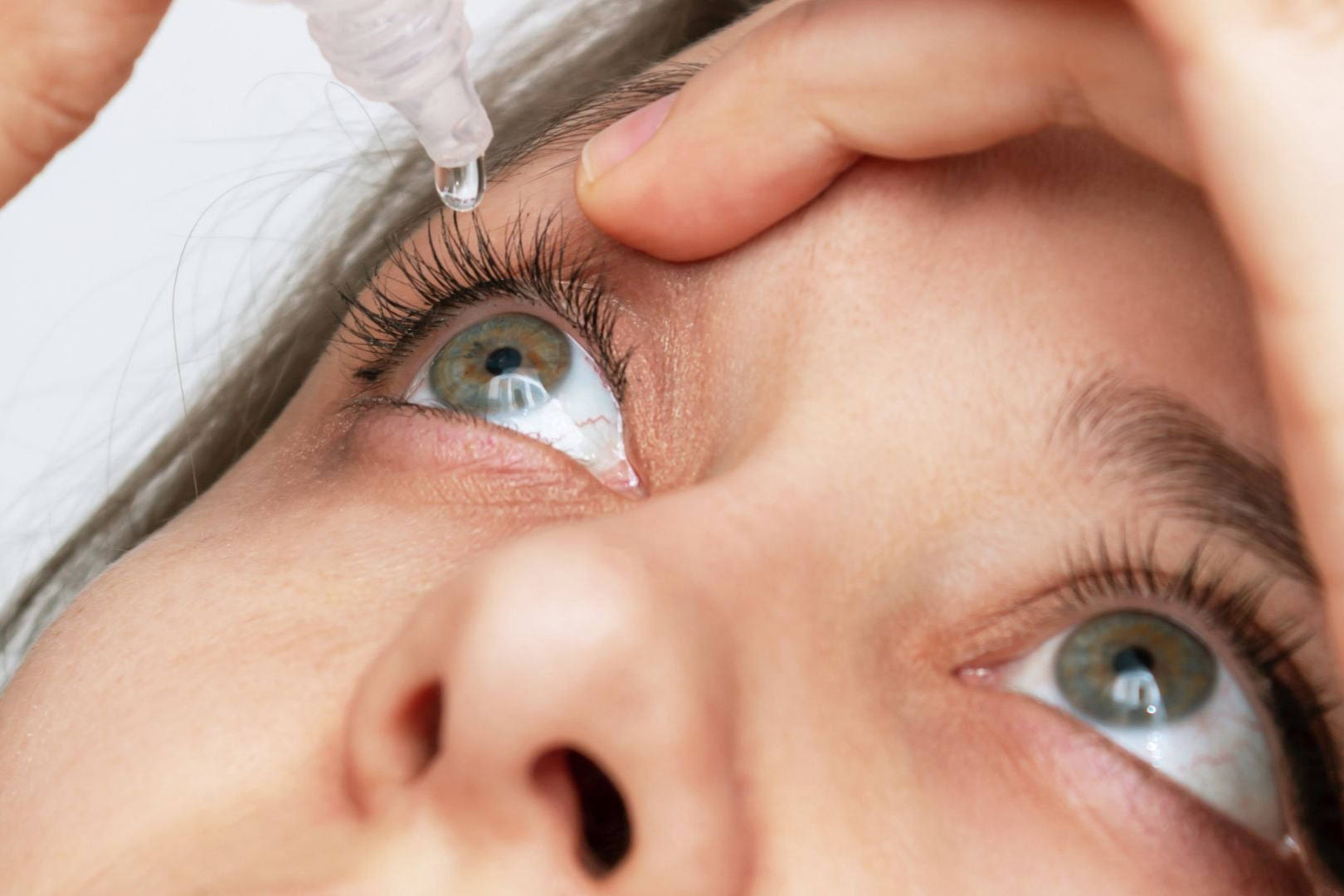
Meibomian gland dysfunction (MGD) is one of the most common causes of dry eye. It occurs when the tiny oil-producing glands in the eyelids become blocked, inflamed or stop producing enough healthy oil.
This can cause dry, gritty, burning, watery or tired eyes, fluctuating vision and difficulty wearing contact lenses.
At Illume Eye Care in Ponsonby, Auckland, our optometrists assess the structure and function of your meibomian glands and tear film to understand what is causing your symptoms. Treatment is then tailored to your individual findings rather than taking a one-size-fits-all approach.
What is Meibomian Gland Dysfunction (MGD)?
Meibomian gland dysfunction, often shortened to MGD, is a chronic condition affecting the meibomian glands within your upper and lower eyelids.
These glands produce meibum, the oily outer layer of your tears. Healthy meibum slows tear evaporation and helps keep the tear film stable, your vision clear and your eyes comfortable.
With MGD, the glands may:
- Become blocked or obstructed
- Produce thickened or poor-quality oil
- Produce too little oil
- Become inflamed
- Gradually shorten or atrophy
Without enough healthy oil, tears evaporate more quickly and the tear film becomes unstable. As a result, your eyes may feel dry, gritty, sore, or irritated, even if they’re watering excessively. This is why MGD is closely associated with dry eye disease.

- Tired, strained eyes, especially after long hours on a computer or device
- Red or inflamed eyelids and eyes
- Frequent styes or eyelid infections
- Lash thinning or loss, often due to chronic inflammation or blocked follicles
- Left untreated, MGD can lead to chronic discomfort, worsening symptoms, and even permanent gland damage, so early diagnosis and treatment are key.
What are the symptoms of Meibomian Gland Dysfunction?
MGD can cause:
- Dry, gritty or sandy-feeling eyes
- Burning or stinging
- Red or irritated eyes
- Watery eyes
- Tired or heavy-feeling eyes
- Fluctuating or intermittently blurry vision
- Light sensitivity
- Eyelid redness or irritation
- Recurrent styes or chalazia
- Discomfort with contact lenses
Symptoms often become worse with computer and device use, air conditioning, wind, contact lens wear or towards the end of the day.
Interestingly, MGD can also cause watery eyes. When the oily layer of the tear film is inadequate, tears may evaporate too quickly and the eye can respond with reflex watering.
What Causes MGD?
There is rarely one single cause. MGD may be associated with:
- Increasing age
- Long periods of computer or device use
- Contact lens wear
- Rosacea and ocular rosacea
- Blepharitis
- Demodex mites (tiny skin mites that can block glands)
- Allergies and chronic eyelid inflammation
- Incomplete or infrequent blinking (especially during screen time)
- Eye surgery (e.g. LASIK or cataract surgery)
- Some medications, including antihistamines and acne treatments such as isotretinoin
- Hormonal changes
- Eye makeup and skincare used around the eyelid margins
- Environmental factors such as air conditioning, wind and low humidity
Identifying these contributing factors is an important part of treating MGD effectively.
If left untreated, MGD tends to be progressive, meaning it can slowly worsen over time, leading to permanent gland damage and more severe dry eye symptoms.
Is Meibomian Gland Dysfunction the same as dry eye?
Not exactly. MGD is a problem with the oil-producing glands in the eyelids, while dry eye disease is a broader condition affecting the tears and ocular surface. However, the two frequently occur together and MGD is a "driver" or cause of Dry Eye Disease.
When the meibomian glands do not provide enough healthy oil, tears evaporate more quickly. This can lead to evaporative dry eye, tear-film instability, inflammation and ocular-surface irritation.
This is why simply adding more lubricating eye drops may not fully resolve symptoms when underlying MGD has not been addressed. You can also have MGD but not have Dry Eye Disease.
How is Meibomian Gland Dysfunction diagnosed?
MGD cannot be diagnosed from symptoms alone. At Illume Eye Care, our Dry Eye & Ocular Surface Assessments allow us to examine both the structure and function of your meibomian glands and determine what else may be contributing to your symptoms.
Depending on your eyes, assessment may include:
- Meibography to image the meibomian glands and identify gland shortening or loss
- Assessment of meibomian gland expressibility and oil quality
- Examination of the eyelid margins and gland openings
- Tear-film stability measurements
- Non-invasive tear break-up time
- Assessment for blepharitis and Demodex
- Evaluation of blinking and eyelid closure
- Ocular-surface examination
- Tear osmolarity where indicated
- Assessment for ocular rosacea and periocular inflammation
This helps us distinguish MGD from other causes of dry, watery, irritated or uncomfortable eyes and select treatment based on what we find.
What do healthy and blocked Meibomian Glands look like?
Healthy meibomian glands are long structures arranged vertically within the eyelids. Each lower eyelid contains 20–30 meibomian glands. In a healthy eye, these glands are long and well-formed, producing a clear, flowing oil.
With MGD, glands may become obstructed and their oil can become thickened, cloudy or difficult to express. Over time, some glands may become shortened or atrophied.
Meibography allows us to photograph these glands using infrared imaging. Seeing your own meibomian glands can be particularly useful for understanding both the severity of MGD and why ongoing treatment may be recommended.

Can Meibomian Gland Dysfunction be cured?
MGD is generally considered a chronic condition rather than something that is permanently cured with a single treatment. However, it can often be managed very effectively.
Treatment aims to improve the flow and quality of meibomian gland oil, reduce inflammation, stabilise the tear film, relieve symptoms and protect remaining gland function.
The best treatment depends on the type and severity of MGD and what is contributing to it.
How is Meibomian Gland Dysfunction treated?
MGD treatment may combine home care, eye drops, management of inflammation and professional treatments. At Illume, we measure before we treat. Not every person with MGD needs IPL, LipiFlow or another device-based treatment.
Meibomian Gland Dysfunction (MGD) is one of the most common causes of dry eye and can significantly affect the comfort, clarity, and health of your eyes. These tiny oil-producing glands in your eyelids play a critical role in keeping your tears stable and preventing them from evaporating too quickly.
When the glands become blocked, inflamed, or produce poor-quality oil, the tear film becomes unstable—leading to symptoms like gritty, burning, or tired eyes, fluctuating vision, and increased light sensitivity.
The good news? There are many effective strategies to manage MGD and restore gland function.
Daily Home Care for Meibomian Gland Dysfunction
Consistent at-home care forms the foundation of MGD management:
Lid Hygiene
Eyelid cleansers, hypochlorous sprays and other lid-care products may be recommended where blepharitis, bacterial overgrowth, debris or inflammation are contributing.
Warm Compresses
Appropriate heat can help soften thickened meibomian gland oils and improve their flow.
Technique matters: the eyelids need to reach an effective temperature for long enough to warm the glands. Warm compresses are also not ideal for everyone, particularly when significant facial or ocular rosacea is present.
Lubricating Eye drops
For evaporative dry eye associated with MGD, we often favour preservative-free lubricants designed to support the lipid layer of the tear film.
Anti-Inflammatory Support
Omega-3 supplements and anti-inflammatory eye drops, either prescription or OptiMel, may be recommended to reduce inflammation and improve oil quality.
These steps are essential, but often not enough on their own—especially in moderate to severe or long-standing MGD.
In Practice Therapies for Meibomian Gland Dysfunction
For persistent, moderate or more advanced MGD, in-practice treatment may be recommended.
To more effectively treat the root cause of MGD, Illume offers the widest range of MGD treatments in Auckland, allowing treatment to be selected according to your individual findings to clear blockages, restore gland function, and reduce inflammation:
Therapeutic Meibomian Gland Expression
A targeted, in-practice technique to physically unblock and clear meibomian glands, helping to restore natural oil flow and improve comfort.
Blepharoexfoliation
Mechanical exfoliation of the eyelid margin to remove hardened oil, crusting, and bacterial biofilm that can obstruct glands and worsen inflammation.
ZEST (Zocular Eyelid System Treatment)
A natural okra-based gel is used to deeply cleanse the lash line and reduce Demodex mites and debris—ideal for those with chronic blepharitis or irritated eyelids.
LipiFlow® Thermal Pulsation
The gold standard in MGD therapy. This FDA-approved device applies gentle, controlled heat and pressure to the inner eyelid to liquefy and express blocked oils—restoring gland health in a single 12-minute session.
Intense Pulsed Light (IPL)
IPL targets inflammation and abnormal blood vessels around the eyelids and may improve meibomian gland function and tear-film stability.
It can be particularly useful where MGD occurs alongside ocular rosacea or inflammatory eyelid disease.
Low Level Light Therapy
Using safe, gentle wavelengths of light, LLLT reduces inflammation and stimulates meibomian gland activity. It’s ideal for sensitive skin or as a follow-up to other therapies.
Tixel-i®
Tixel-i uses controlled thermal energy applied to the eyelids and is another treatment option for selected patients with dry eye disease and MGD.
No single treatment is right for every patient. Your optometrist will recommend treatment based on your symptoms, gland structure, oil quality, inflammation and other ocular-surface findings.
Can MGD cause contact lens discomfort?
Yes. Meibomian gland dysfunction can contribute to dry, uncomfortable or increasingly limited contact lens wear.
A stable tear film is important for comfortable contact lens wear. When the lipid layer is inadequate, tears may evaporate more quickly over the lens surface, causing dryness, fluctuating vision and reduced wearing time.
If your contact lenses have become less comfortable than they used to be, assessing your tear film and meibomian glands can help determine whether MGD is contributing.
Meibomian Gland Dysfunction Assessment & Treatment in Auckland
MGD is a chronic condition, but with regular management, most people experience significant and lasting improvement. Our approach combines daily home care with periodic in-practice therapies to maintain comfortable, stable, and healthy vision. At Illume Eye Care in Ponsonby, Auckland, dry eye and ocular-surface disease are a major focus of our clinical practice.
Rather than offering one treatment for everyone, we combine detailed assessment with access to multiple treatment options including:
- Meibography and advanced tear-film assessment
- Personalised home treatment plans
- IPL
- LipiFlow®
- LLLT
- Tixel-i®
- Meibomian gland expression
- Blephasteam®
- ZEST
- Professional eyelid cleansing
- Prescription and non-prescription ocular-surface therapies
This allows us to choose treatment because it suits your eyes, rather than trying to make your eyes fit a particular treatment.
If you have persistent dry, gritty, burning, watery or tired eyes, recurrent styes, fluctuating vision or uncomfortable contact lenses, a Dry Eye & Ocular Surface Assessment can help determine whether MGD is contributing.
Frequently Asked Questions about Meibomian Gland Dysfunction
What is the best treatment for Meibomian Gland Dysfunction?
There is no single best treatment for everyone. Treatment depends on whether the glands are obstructed, producing poor-quality oil, affected by inflammation or rosacea, or have already undergone structural changes. Assessment of the glands and tear film helps determine whether home care, medication, IPL, LipiFlow, LLLT, Tixel-i, gland expression or a combination is most appropriate.
How do I unblock my Meibomian Glands?
Warm compresses can help soften thickened meibomian gland oil in some people. More persistent obstruction may require professional treatment such as thermal therapy and meibomian gland expression. Repeatedly squeezing your own eyelids is not recommended, as excessive pressure may cause irritation or injury.
Does MGD cause watery eyes?
Yes. Although it seems contradictory, meibomian gland dysfunction can cause excessive watering. Poor oil production allows the tear film to evaporate too quickly, which can trigger reflex tear production.
Is MGD permanent?
MGD is usually a chronic condition, but symptoms and gland function can often be significantly improved with appropriate treatment and ongoing management. Established gland atrophy may be irreversible, which is why protecting remaining gland function is important.
Can MGD cause blurry vision?
Yes. The oily layer produced by the meibomian glands helps create a smooth and stable tear film. When that tear film breaks up too quickly, vision may fluctuate or become temporarily blurred, often improving after blinking.
Is Meibomian Gland Dysfunction the same as blepharitis?
No. They are different conditions but commonly occur together. MGD affects the oil-producing meibomian glands, while blepharitis refers to inflammation involving the eyelids. Treating both may be necessary when they coexist.
Should I see an optometrist for Meibomian Gland Dysfunction?
Yes. An optometrist with experience in dry eye and ocular-surface disease can examine the meibomian glands, eyelids, tear film and ocular surface to determine whether MGD is present and what type of treatment is appropriate.
Where can I get treatment for Meibomian Gland Dysfunction in Auckland?
Illume Eye Care's Dry Eye & Ocular Surface Clinic is located in Ponsonby, Auckland. We provide assessment and management of MGD, dry eye disease, blepharitis, ocular rosacea, Demodex and other causes of persistent eye irritation, with access to both home and in-clinic treatment options.