
All About Scleral Contact Lenses

What Are Scleral Contact Lenses?

Scleral lenses are large-diameter, custom-designed contact lenses that vault over the cornea and rest gently on the white part of the eye (the sclera).

Unlike standard contact lenses, scleral lenses create a fluid reservoir between the lens and the eye. This layer of sterile saline:

  • Smooths irregular corneas
  • Protects fragile ocular surfaces
  • Provides constant hydration
  • Dramatically improves vision in complex cases

They are one of the most transformative tools in modern specialty contact lens practice.

At Illume Eye Care in Ponsonby, we fit scleral lenses for patients across Auckland who have been told they are “hard to fit” or who thought contact lenses were no longer an option.

Who Are Scleral Lenses For?

Scleral lenses are often recommended for:

  • Keratoconus
  • Post-LASIK or post-corneal graft irregularity
  • Severe dry eye disease
  • Ocular surface disease (including Sjögren’s)
  • Corneal scarring
  • High or irregular astigmatism
  • Failed soft or RGP lens wear

They are especially powerful when vision and comfort both need to be restored.

Why Are They Different?

Traditional lenses sit directly on the cornea. Scleral lenses:

✔ Vault over the cornea
✔ Rest on insensitive scleral tissue
✔ Create a protective tear reservoir
✔ Provide exceptional optical quality

For many patients, vision becomes sharper and more stable than glasses, even in complex corneal conditions.

Scleral Lenses for Dry Eye

Scleral lenses can act like a liquid bandage for the eye. The fluid reservoir:

  • Shields the cornea from friction
  • Reduces evaporation
  • Improves comfort in moderate to severe dry eye
  • Supports healing of the ocular surface

For patients with advanced dry eye who haven’t responded to drops alone, scleral lenses can be life-changing.

The Fitting Process

Scleral lenses are fully customised. At Illume, your fitting includes:

  • Corneal topography and ocular surface assessment
  • Trial lens fitting
  • OCT and slit lamp evaluation of vault and landing zone
  • Fine-tuning for comfort and vision
  • Training in insertion and removal

It may take multiple visits to achieve optimal results but the outcome is worth it.

Are They Comfortable?

Yes, when properly fitted. Although they look large, they are often more comfortable than small rigid lenses, because they rest on less sensitive tissue.

Most patients adapt well with guidance and support.

Why Choose Illume for Scleral Lenses?

Scleral lens fitting is a subspecialty skill.

At Illume Eye Care, we:

  • Focus on complex contact lens fitting
  • Manage keratoconus and irregular corneas
  • Co-manage with ophthalmologists and fellow optometrists
  • Combine scleral lenses with dry eye therapy when needed

If you’ve been told “nothing else will work”, we’d love to reassess.
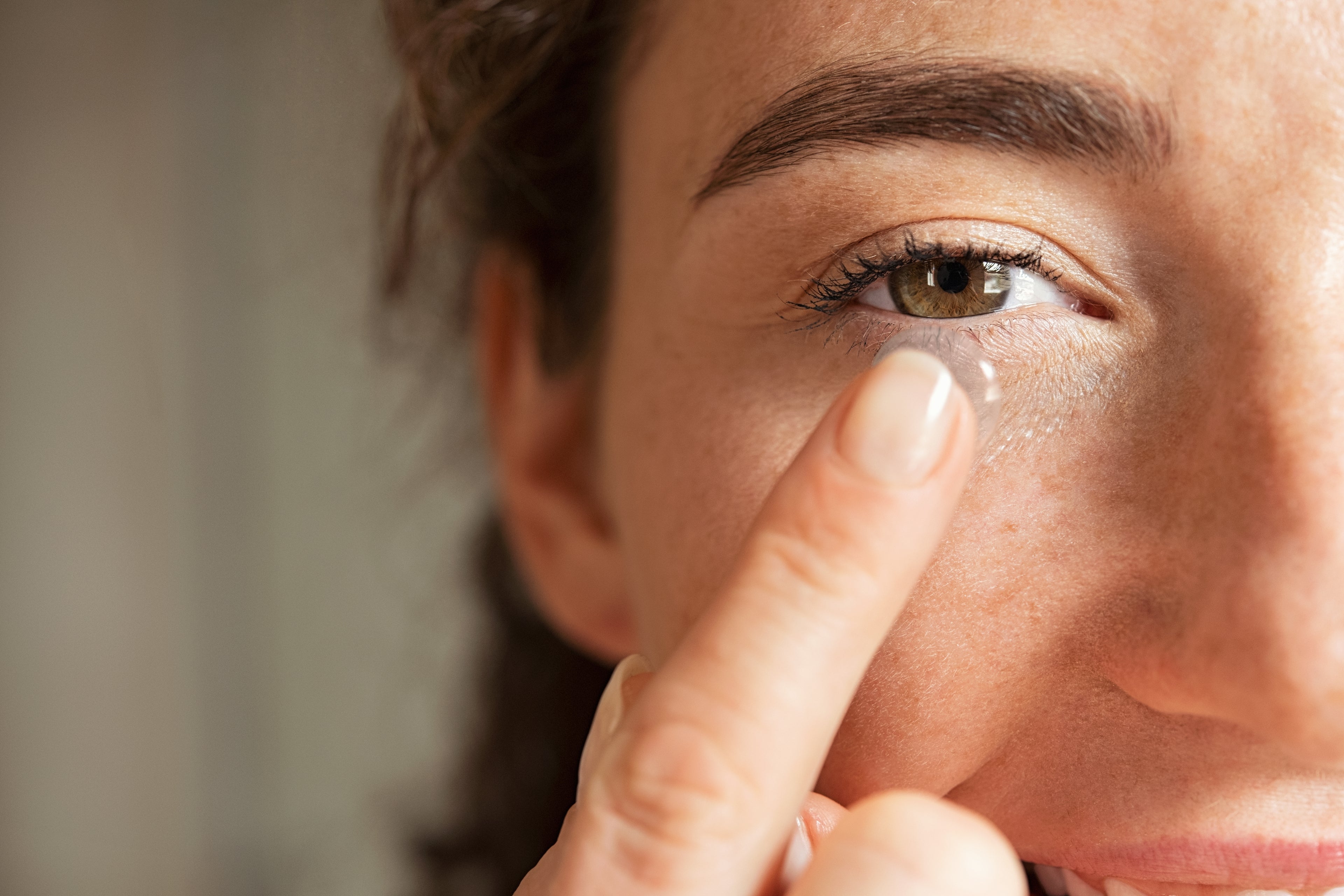
 

Frequently asked questions about Contact Lenses

Do I need a contact lens fitting if I already know my glasses prescription?

Yes. Glasses prescriptions and contact lens prescriptions are different. A contact lens fitting assesses:

  • Lens curvature and siameter
  • Eye surface health
  • Tear film stability
  • Lens movement and fit
  • Oxygen requirements

Ordering lenses without professional fitting can increase the risk of discomfort and complications.

What happens during a contact lens fitting?

A comprehensive contact lens assessment includes:

  • Prescription testing
  • Corneal measurements
  • Tear film and dry eye assessment
  • Lifestyle discussion
  • Lens trial fitting
  • Insertion and removal training
  • Aftercare planning

Specialty lenses such as OrthoK or scleral lenses may require advanced imaging and additional follow-up visits.

You can find out more here

How often should contact lenses be checked?

Even if your lenses feel comfortable, regular contact lens reviews are important to monitor:

  • Eye health
  • Corneal oxygenation
  • Tear film quality
  • Lens fit
  • Prescription changes and Vision
  • Early complications

Most patients benefit from annual reviews, though some specialty lens patients require more frequent monitoring.

Are contact lenses safe?

Yes — contact lenses are very safe when fitted properly and worn as advised by your optometrist. Modern contact lenses are highly breathable and designed for comfort and eye health.

The biggest risks usually come from poor hygiene, overwearing lenses, sleeping in lenses not designed for overnight wear, or using tap water with lenses.

Proper fitting, regular reviews, and good lens care dramatically reduce complications.

Can I wear contact lenses if I have dry eyes?

Often, yes. Many people assume dry eye means they can’t wear contact lenses, but modern lens materials and personalised management can make contact lenses comfortable again.

At Illume Eye Care, we assess:

  • Tear quality and tear stability
  • Meibomian gland function
  • Inflammation and blepharitis
  • Digital eye strain
  • Lens material compatibility

For many patients, daily disposable lenses, silicone hydrogel lenses, scleral lenses, or orthokeratology lenses may actually improve comfort compared with standard soft lenses.

What are the best contact lenses for dry eyes?

There is no single “best” contact lens for dry eyes — the right option depends on your eyes, tear film, lifestyle, and prescription.

Some patients do best with:

  • Daily disposable lenses
  • Silicone hydrogel lenses
  • Lower water content lenses
  • Specialty scleral lenses
  • Orthokeratology lenses

Comfort is influenced by lens fit, lens design, blinking patterns, environment, and eyelid health — not just the lens brand alone.

Can children wear contact lenses?

Absolutely. Many children successfully wear contact lenses for sport, confidence, convenience, and myopia management.

Children are often excellent contact lens wearers because they:

  • Follow routines well
  • Adapt quickly
  • Enjoy freedom from glasses
  • Can benefit from myopia control technologies

At Illume Eye Care, we commonly fit children with:

  • Myopia management soft lenses
  • Orthokeratology (OrthoK)
  • Daily disposable lenses for sport and activities
What is Orthokeratology (OrthoK)?

Orthokeratology, or OrthoK, uses specially designed overnight contact lenses to gently reshape the front surface of the eye while you sleep.The lenses are removed in the morning, allowing clear daytime vision without glasses or contact lenses.

While suitable for adults, OrthoK is also one of the most evidence-supported methods for slowing childhood myopia progression.

You can read more on OrthoK here

Is OrthoK safe?

Yes — when properly fitted and monitored, OrthoK has a strong safety profile comparable to many reusable soft contact lenses.

Good hygiene and regular follow-up care are essential. 

We provide detailed training on:

  • Lens insertion and removal
  • Cleaning and disinfection
  • Safe overnight wear
  • Recognising warning signs of complications
Can contact lenses slow myopia in children?

Yes. Certain contact lenses are specifically designed to help slow the progression of short-sightedness (myopia) in children.

These include:

  • Orthokeratology lenses
  • Multifocal soft contact lenses
  • Specialty myopia control lens designs including MiSight and Acuvue Abiliti

Slowing myopia progression can help reduce the long-term risk of retinal detachment, glaucoma, myopic maculopathy, and other eye disease later in life.

You can read more about Myopia Management here

Can I wear contact lenses with astigmatism?

Yes. Modern toric contact lenses can successfully correct most levels of astigmatism and provide excellent vision. 

There are soft toric lenses including daily disposables, rigid lenses, hybrid lenses, and specialty lens designs available depending on your prescription and eye shape.

Can I wear contact lenses if I need reading glasses?

Yes. Multifocal contact lenses can help correct both distance and near vision, reducing the need for reading glasses.

Options may include:

  • Multifocal soft lenses
  • Monovision
  • Multifocal rigid lenses
  • Multifocal OrthoK in some cases

Many patients in their 40s, 50s, and beyond continue wearing contact lenses very successfully.

You can read more about multifocal contact lenses here

Are daily disposable lenses better?

For many patients, daily disposable lenses are the healthiest and most convenient option because you start with a fresh sterile lens each day.

Benefits may include:

  • Superior comfort
  • Reduced allergy symptoms
  • Reduced deposit build-up
  • Lower infection risk
  • No cleaning required
  • Ideal for occasional wear or travel

However, reusable lenses can still be excellent options depending on prescription, dry eye status, and lifestyle.

Can I sleep in my contact lenses?

Only if specifically advised by your optometrist.

Most standard soft contact lenses should be removed before sleep.

Sleeping in lenses increases the risk of infection and inflammation. 

Orthokeratology lenses are specifically designed for overnight wear and are managed differently.

Why do my contact lenses become uncomfortable by the end of the day?

This is extremely common and can happen for many reasons, including:

  • Dry eye disease
  • Meibomian gland dysfunction
  • Digital eye strain
  • Poor blinking
  • Allergies
  • Lens deposits
  • Inappropriate lens material
  • Incorrect fit

Many people assume discomfort is “normal,” but often there are solutions available.

What should I do if my contact lenses suddenly become uncomfortable?

Remove the lenses and avoid wearing them again until your eyes have been assessed. Key warning signs of a problem include:

  • Pain
  • Redness
  • Light sensitivity
  • Discharge
  • Sudden blurred vision
  • Excessive watering

These symptoms can indicate infection or inflammation and should be reviewed promptly.

Can contact lenses damage my eyes?

Healthy contact lens wear should not damage your eyes when lenses are:

  • Properly fitted
  • Worn correctly
  • Replaced as directed
  • Reviewed regularly

Problems are more likely when lenses are overworn, slept in, poorly cleaned, purchased without professional fitting or with an expired prescription, or worn despite discomfort.

Can I wear contact lenses while using screens all day?

Yes, but screen use can worsen dryness and contact lens discomfort because we blink less while concentrating on screens. Helpful strategies include:

  • Conscious blinking
  • Screen breaks
  • Preservative-free lubricating drops
  • Optimising screen height
  • Managing dry eye disease
  • Choosing appropriate lens materials

Read more on Digital Eye Strain here

Can I swim or shower in contact lenses?

It is best to avoid water exposure while wearing contact lenses. Tap water, pools, spas, lakes, and showers can expose lenses to microorganisms including Acanthamoeba, a rare but serious eye infection risk.

What specialty contact lenses does Illume Eye Care offer?

At Illume Eye Care, we provide a wide range of contact lens options including:

  • Soft contact lenses
  • Daily disposable lenses
  • Multifocal lenses
  • Toric lenses for astigmatism
  • Orthokeratology (OrthoK)
  • Myopia management lenses
  • Rigid gas permeable lenses
  • Keratoconus and irregular cornea lenses
  • Dry eye-friendly specialty lenses

We combine advanced diagnostics with personalised fitting to help patients achieve healthier, more comfortable vision.

Illume Eye Care in Ponsonby, Auckland provides expert contact lens fitting for children, adults, dry eye patients, and complex prescriptions.

Whether you’re completely new to contact lenses or looking for more comfortable options, our team can help you find the right solution for your eyes, lifestyle, and long-term eye health.